Do you need help from a lawyer?
Contact us and get information with no obligation. We’ll help you.
Can foreigners buy property in Spain?
Yes. Foreigners can buy property in Spain without restrictions, regardless of their nationality or residency status.
Spanish law does not impose general limitations on property ownership based on citizenship.
You do not need to live in Spain, nor do you need to hold a residence visa, to purchase real estate.
The right to acquire property is fully recognised for EU citizens, UK nationals after Brexit, US citizens and other non-EU buyers.
This openness to foreign ownership is one of the reasons why buying property in Spain remains attractive to international investors and expats alike. However, this legal freedom does not mean that the process is simple or risk-free.
When buying property in Spain as a foreigner, the buyer is subject to a different legal and tax framework from that of Spanish residents.
This affects matters such as:
-
the type of taxes payable,
-
the applicable tax rates,
-
the possibility of deducting expenses,
-
and, in some cases, the need to appoint a tax representative.
Buying property in Spain as a foreigner
Estimate what it costs to acquire and to own a house (taxes, legal fees, stamp duties, property tax, administration, maintenance)
Where is the property located?
Tax rates (stamp duty, transfer tax) vary by region
Purchase details
Price and type of property determine taxes (ITP vs IVA + stamp duty)
Owning the property (annual costs)
Optional: enter known values for a more accurate estimate
Typical annual costs include: local property tax (IBI), community fees, maintenance, and—if you are not tax resident in Spain—imputed income tax on the property.
Calculating costs...
Acquisition and annual ownership
Buying property in Spain: do you really need a lawyer?
When buying property in Spain, foreign buyers often assume that the presence of a notary guarantees that the transaction is fully protected. This assumption is understandable, but it is legally incorrect.
In Spain, the purchase of real estate is a highly formalised legal process, in which different professionals intervene with clearly defined roles. Understanding those roles is essential to avoid confusion and, more importantly, legal risk.
The notary plays an important part in the transaction, but their function is limited. They do not replace the role of a lawyer.
The role of the notary and its legal limits
The notary is responsible for authorising the public deed of sale and ensuring that the act complies with the formal requirements established by law. They verify the identity of the parties, confirm consent and ensure that the deed reflects the agreement reached.
However, the notary does not act in defence of the buyer’s interests.
They do not carry out a full legal investigation of the property, nor do they analyse the transaction from a strategic or preventive point of view.
Matters such as outstanding debts, urban planning legality, discrepancies in the Registro de la Propiedad (Spanish Land Registry), community issues or tax implications fall outside the notary’s scope. These aspects must be analysed beforehand.
What a property lawyer actually does
A lawyer specialised in Spanish real estate law carries out a comprehensive legal review of the property and the transaction. This includes verifying ownership, identifying registered charges and confirming the absence of relevant debts through the Registro de la Propiedad (Spanish Land Registry).
The lawyer also analyses compliance with urban planning regulations, drafts and reviews all contractual documentation, and ensures that the terms are clear, balanced and legally sound. They act as the buyer’s representative in dealings with the seller, estate agents and other professionals involved in the transaction.
In addition, the lawyer supervises the completion of the purchase, coordinates with the notary, manages the registration of the property in the Registro de la Propiedad (Spanish Land Registry) and ensures that purchase-related taxes are correctly paid.
Their role is not limited to detecting problems, but also to resolving them in advance or advising against the transaction when legal risks cannot be adequately mitigated.
Buying from abroad and powers of attorney
Foreign buyers are not always able to be physically present in Spain for every step of the process. Spanish law allows this through the use of a power of attorney, granted before a notary.
Through a power of attorney, a lawyer can represent the buyer, sign documents, manage procedures and coordinate the transaction on their behalf. This mechanism is particularly useful when time constraints or distance make repeated travel impractical.
The importance of local and independent legal advice
Spanish property law is not applied uniformly across the country. Urban planning rules, administrative practices and rental regulations can vary significantly between regions and even municipalities.
For this reason, it is essential to work with a lawyer who is based in Spain, independent from the selling party and familiar with the specific location of the property. Generic or remote advice is often insufficient when dealing with local regulations.
At Javaloyes Legal, we approach buying property in Spain from a preventive perspective. Our objective is not only to ensure that the transaction is legally valid, but that it is also legally secure, predictable and aligned with the buyer’s long-term interests. Because in Spanish real estate transactions, legal certainty is not assumed.
It is built.

Buying property in Spain as a foreigner is legal and accessible, but it is not always simple. Real security does not come from signing before a notary, but from having identified and assessed all legal, tax and urban planning risks in advance.
Steps to buy a property in Spain
Obtain your NIE (Número de Identidad de Extranjero)
All foreign buyers must obtain a NIE (Número de Identidad de Extranjero).
This number is not a residence permit, but an administrative identification used by Spanish authorities.
The NIE is required to sign the public deed of purchase, pay taxes, register the property in the Registro de la Propiedad (Spanish Land Registry) and manage utilities, banking and insurance related to the property. Without a valid NIE, the purchase simply cannot proceed.
In practice, delays in obtaining the NIE are one of the most common causes of postponed completions, especially in coastal areas with high demand. For this reason, the NIE should be requested as early as possible, ideally before any reservation or deposit is paid.
At Javaloyes Legal, we always factor the NIE timeline into the transaction schedule to avoid unnecessary pressure at later stages.
Understand the real cost of buying property in Spain
Additional costs when buying property in Spain
When planning buying property in Spain, many foreign buyers focus only on the purchase price.
This is one of the most common sources of frustration.
In practice, buyers should expect additional costs of approximately 10% to 15% of the purchase price, depending on the type of property and the region.
These additional costs include purchase taxes, notary fees, Land Registry fees, legal fees and, where applicable, mortgage-related expenses. Failing to account for these costs from the beginning can distort the real investment value and affect liquidity planning.
What are the fees for buying property in Spain?
Beyond taxes, buying property in Spain involves a series of professional and administrative fees.
These typically include notary fees regulated by law, Land Registry fees required to register ownership, legal fees depending on the complexity of the transaction and mortgage-related fees if financing is involved, including valuation costs.
While each individual fee may seem moderate, together they represent a relevant part of the overall investment. Knowing them in advance is essential for a realistic financial plan.
Analyse taxes before committing to the purchase
Taxes when buying property in Spain
Taxes are a key element of buying property in Spain, and they depend primarily on whether the property is new or resale.
When purchasing a newly built property, buyers usually pay VAT (IVA), generally at 10%, and Stamp Duty (AJD), with rates varying by Autonomous Community.
For second-hand properties, buyers pay Property Transfer Tax (ITP), typically between 6% and 10%, depending on the region.
These taxes must be paid within strict deadlines. Late payment can result in surcharges, interest and administrative penalties.
Ongoing ownership taxes
Non-resident owners may be subject to annual local property tax (IBI), non-resident income tax on rental income, or imputed income tax if the property is not rented.
These obligations apply even if the property is only used occasionally and should be included in the overall financial assessment from the outset.
Carry out proper due diligence before paying any deposit
When buying property in Spain, due diligence is not a mere formality.
It is the process that determines whether the purchase is legally safe or exposed to future conflict.
A proper legal review begins with verifying ownership and charges through the Registro de la Propiedad (Spanish Land Registry). This confirms who the real owner is and whether the property is subject to mortgages, embargoes or other limitations.
Equally important is the review of urban planning compliance and licences, especially in coastal areas where irregular constructions or restricted land classifications are not uncommon. Finally, it is essential to confirm that community fees and local property taxes are fully paid.
Skipping these checks exposes the buyer to hidden liabilities, planning sanctions or restrictions on use that may seriously affect the value and enjoyment of the property.
Be aware of the main pitfalls of buying property in Spain
Many of the problems foreign buyers face are avoidable. They tend to repeat because the same assumptions are made again and again.
Assuming the notary checks everything, ignoring the rule that certain debts follow the property, paying deposits without legal review, underestimating urban planning issues and failing to plan taxes in advance are among the most serious pitfalls.
At Javaloyes Legal, we always advise that no payment should be made until the legal implications of the contract have been fully analysed.
Find your area by property type
Select the profile you are looking for (urban, coast, Mediterranean, islands, Atlantic or retirement) and the map will highlight the areas that best match.
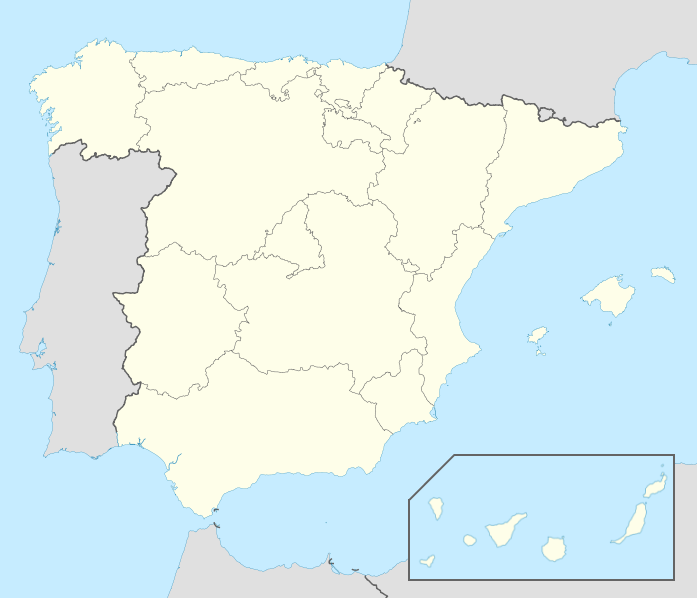
Area
—
At Javaloyes Legal we advise on regulations, tax and property purchase in each area.
Best places to live in Spain
Choosing where to live is often the most personal decision when relocating to Spain. For expats, this choice usually combines quality of life, access to services, international connectivity and the presence of established foreign communities.
Spain offers a wide range of options, from large urban centres to coastal towns and islands, each attracting different expat profiles.
Urban cities with large international communities
Certain Spanish cities consistently attract expats due to their infrastructure, cultural life and professional opportunities.
Valencia is frequently ranked among the best cities in the world for expats by international surveys such as InterNations. It combines a Mediterranean climate, efficient public transport, a vibrant international community and a cost of living generally lower than Madrid or Barcelona. British, European and Latin American communities have grown steadily in recent years.
Málaga, on the Costa del Sol, is especially popular among European expats, including British, German and Scandinavian residents. Its combination of sunshine, beaches, a renovated city centre and international flight connections makes it attractive for both professionals and retirees.
Alicante and the Costa Blanca host one of the largest and most established expat communities in Spain, particularly among British, Dutch, German and Nordic nationals. Alicante itself offers a manageable city size, good healthcare and easy access via an international airport, making it appealing for long-term residence.
Madrid, as the capital, attracts expats seeking professional opportunities, international schools and a wide range of services. In recent years, there has been notable growth in American and Latin American communities, particularly in neighbourhoods such as Centro, Salamanca and Chamberí.
Barcelona remains one of the most cosmopolitan cities in Spain, with diverse foreign communities and a strong international profile. It appeals especially to expats looking for an urban Mediterranean lifestyle, although housing regulation and prices require careful consideration.
Palma de Mallorca also stands out for its strong British and German expat presence, combined with high-quality infrastructure, international schools and excellent air connections.
Guide for expats: buying a home in Spain
We recommend areas based on your profile and explain how a specialist lawyer can help you
Preparing your recommendations...
Areas and legal advice based on your profile
Coastal areas and smaller towns popular with expats
Beyond major cities, many expats choose coastal towns and smaller urban centres where foreign communities are well established.
Areas such as Benidorm and Torrevieja have long-standing British and European populations, particularly among retirees. Sitges and the Costa Dorada, near Barcelona, attract a growing international population, including digital nomads and professionals seeking proximity to the city with a quieter lifestyle.
The Balearic Islands (Mallorca and Ibiza) and the Canary Islands (especially Tenerife and Gran Canaria) remain highly attractive due to climate, lifestyle and year-round international connectivity, drawing both European and North American residents.
Best places to live in Spain as a retiree
For retirees, the most important factors tend to be climate, healthcare, cost of living and the presence of an active expat community.
The Costa del Sol, including Málaga, Marbella and Estepona, remains one of the classic retirement destinations for Europeans, offering warm weather, extensive services and established foreign networks.
The Costa Blanca, particularly Alicante, Jávea, Denia and Benidorm, is another preferred area, often offering more affordable housing than the Costa del Sol while maintaining large British, Dutch and Nordic communities.
Valencia and its surrounding areas provide a balanced option for retirees seeking access to high-quality healthcare, a moderate climate and a combination of urban life and proximity to the sea.
Among the islands, the Canary Islands (Gran Canaria, Tenerife and Lanzarote) stand out for their mild climate throughout the year and relaxed pace of life, with less seasonal variation than mainland destinations.
Other alternatives include Murcia and the Costa Cálida, which are generally more affordable and offer a quieter environment suitable for an active retirement, as well as smaller inland towns with international communities in parts of Andalusia or eastern Spain.
Hidden gems: Spain’s Atlantic coast
Beyond the Mediterranean hotspots, Spain’s Atlantic coast (often referred to as Green Spain) is increasingly attracting expats looking for high quality of life, strong local culture and a more understated international scene. This region includes Cantabria, the Basque Country, Asturias and Galicia, and is characterised by green landscapes, mild summers, excellent food and a slower, more balanced pace of life.
San Sebastián (Donostia) stands out as one of the most attractive northern cities for international residents. It offers a high standard of living, outstanding healthcare, a compact and elegant urban layout and a growing international and professional community. While smaller than Madrid or Barcelona, San Sebastián has a strong presence of foreign professionals, academics and entrepreneurs, as well as excellent connections to France and the rest of Europe. Its reputation for gastronomy, safety and quality of life consistently places it among Spain’s most desirable cities.
Santander, the capital of Cantabria, is another appealing option for expats seeking a coastal city with a calmer atmosphere. It combines beaches, green spaces and a well-organised city centre with a cost of living generally lower than that of larger metropolitan areas.
Expat communities by nationality
While patterns change over time, some trends remain consistent across Spain.
British nationals are particularly concentrated along the Costa Blanca and the Costa del Sol.
German expats are often found in the Costa Blanca, Mallorca and certain inland Andalusian towns.
Dutch and Scandinavian communities are well established in Alicante, Murcia and other Mediterranean coastal areas.
American expats have shown noticeable growth in Madrid, as well as in major cities and sunny coastal destinations.
French and Swiss nationals are commonly found in southern Andalusia, the Canary Islands and cultural cities such as Valencia and Barcelona.
Legal questions?
Don’t face your problem alone. Meet with a lawyer to thoroughly review your case. You’ll leave the meeting with your questions answered, a clear understanding of your rights, and a written report detailing the exact steps you need to take.